This is a SEO version of Poultry Mortality Composting. Click here to view full version
« Previous Page Table of Contents Next Page »contingencies such as busy times of the year when bins cannot be emptied on time or occasional batches requiring additional time to decompose completely.
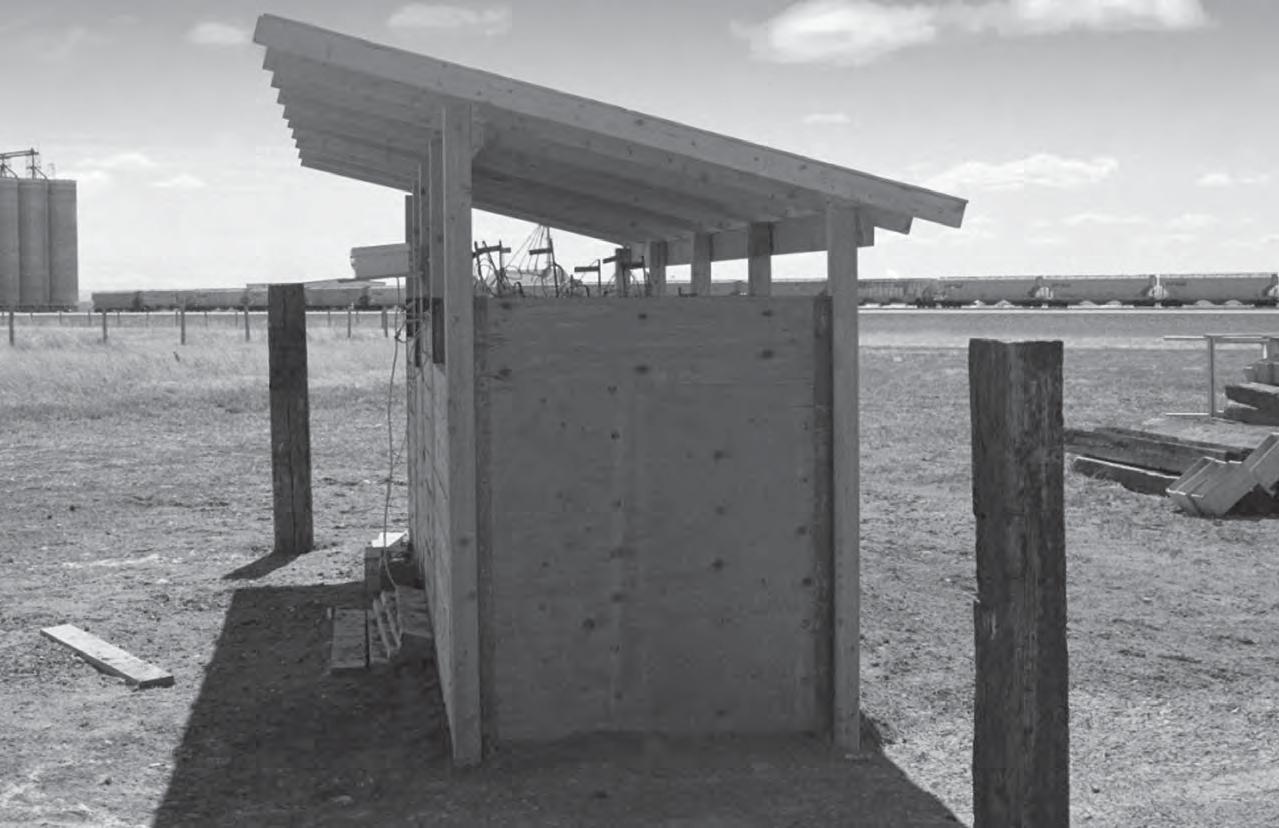
Sizing the Composter
The design, number and size of bins can be calculated once an estimate of the number and weight of mortalities has been determined. Average daily death losses are located in Table 2. These average values may have to be modified to reflect different housing alternatives and management systems. Appendix B contains these calculations.
Bin systems for poultry typically consist of primary bins with a total volume of 62 L/kg (1 ft 3 /lbs). For example, a broiler farm averaging 100 kg (220 lbs) of loss per day would need approximately 6.2 m 3 (219 ft 3 ) of primary bin capacity and the same amount of secondary bin space. If half or more of the birds to be composted are large (7 kg (15 lbs) or more), increase the primary bin volume by 50% to 93 L/kg (1.5 ft 3 /lbs) average daily loss.
Total bin volume recommendations suggested are based on average daily death losses. Depopulation would require considerably larger facilities or windrow systems.
14
This is a SEO version of Poultry Mortality Composting. Click here to view full version
« Previous Page Table of Contents Next Page »